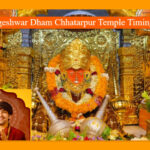
Among the eight Ashtavinayaka temples of Maharashtra, Ballaleshwar carries a distinction shared by none of its seven sibling shrines: it is the only Ganesha temple anywhere named after a devotee rather than after the deity’s own attributes or location. The legend explaining why is genuinely harrowing, and worth telling in full rather than softened.
A boy named Ballal, son of a successful Pali businessman named Kalyan, organized an extended devotional gathering for the village children — a Pooja centered on a large stone the children chose to worship as Lord Ganesha. The children, absorbed in devotion, stayed away from home for days, forgetting food and water entirely. Anxious parents eventually confronted Kalyan, blaming his son for leading their children astray. Kalyan, enraged, found the children, destroyed the small shrines they had built, and beat his own son severely — tying Ballal to a tree afterward, taunting him: “Now we shall see which God protects you.” He left his bleeding, starving son bound there, alone, to die.
What Ballal did next is the part most retellings soften, but the most detailed historical sources preserve directly: still tied to the tree, in genuine agony, Ballal cursed his own father — that Kalyan become “blind, deaf, dumb, and hunchbacked” for his disrespect toward Parvati’s son. Then, exhausted past endurance, he fainted, still chanting Ganesha’s name even as consciousness left him.
Lord Ganesha appeared before him as a wandering sadhu, untied him, healed his wounds instantly, and asked what reward he wished for his devotion. Ballal’s request was not for himself: “May I be your unshakeable devotee, and may you always stay in this place and remove the miseries of the people who seek refuge in you.” Ganesha agreed completely — and went further: “I shall ever remain here, and will take your name before mine, being worshipped as Ballal’s Lord.” He embraced the boy and disappeared into a nearby stone, its cracks sealing whole again. That stone is Ballaleshwar — quite literally, “Ballal’s Lord,” the only Ganesha incarnation in the Ashtavinayaka circuit carrying its devotee’s own name permanently inside its own.
💡 Quick Answer Darshan timings: 5:00/5:30 AM – 10:00/10:30 PM daily (inner sanctum specifically accessible until approximately 11:30 AM for personal puja) Entry: Completely free Special pooja on Chaturthi days: 6:00 AM – 9:00 AM, with crowds beginning to queue as early as 3:00 AM Online seva booking: Available via the official temple website Dress code for inner-sanctum puja: Men specifically advised to wear a dhoti Accommodation: Bhakta Niwas, rooms from approximately ₹250–₹300, adjacent to the temple Last Verified: June 2026
Ballaleshwar Pali Temple Timings 2026
| Activity | Timing |
|---|---|
| Temple opens | 5:00/5:30 AM |
| Kakad Aarti (first morning ritual) | 5:00 AM, observed Ashwin Vadhya 1 to Kartik Shudh Poornima |
| Inner sanctum personal puja (with priest assistance) | Until approximately 11:30 AM |
| Abhishek (devotee-performed, with priest help) | 5:30 AM – 12:00 PM |
| Midday pooja | 12:00 PM |
| Evening Aarti | Approximately 7:30 PM |
| Temple closes | 10:00/10:30 PM |
| Chaturthi day special pooja window | 6:00 AM – 9:00 AM |
Pro tip: On Sankashti Chaturthi and Angarki Chaturthi specifically, queues are reported to begin forming as early as 3:00 AM, given the massive rush these auspicious days draw — plan accordingly if visiting on one of these specific dates.
Pro tip: Before entering the main Ballaleshwar shrine, it is customary to first pay respects at the Dhundi Vinayak Temple, located just before the main temple — this is the same stone idol Kalyan originally destroyed, now itself worshipped as a separate, self-manifested (Swayambhu) form, honored before Ballaleshwar in the standard devotional sequence.
The Maha Bhog “Miracle” — A Specific Day Worth Planning Around
If your visit specifically falls on the 4th day of Bhadrapada (within the Ganesh Chaturthi period), consider staying for the Maha Bhog offering. Local legend holds that the imprint of the Lord’s own fingers can often be observed on the food offerings made during this specific ritual — a detail that, regardless of how literally any individual visitor takes it, draws the maximum annual devotee turnout to the temple on this single day, more than any other date on the calendar.
How to Book Sevas and Abhishek
Online booking: Sevas can be booked through the official temple website — confirm the current specific URL and process directly, as third-party sources describe this option without uniformly specifying the same portal address.
Offline/in-person Abhishek: Devotees can personally participate in Abhishek rituals from 5:30 AM to 12:00 PM, with the assistance of temple priests — this remains a reliable, walk-in option regardless of online booking availability.
Daily ritual on every Chaturthi: The idol receives Panchamrut Snanam (a ceremonial bath with five sacred substances), royal dress, Naivedya (food offering), Aarti, a Palakhi (palanquin) procession, and Mantrapushpam in the evening.
Discourses: Religious discourses on various subjects are held from Aashadhi Ekadashi to Kartik Ekadashi, concluding with a procession of the holy book on Kartik Ekadashi.
What Is Ballaleshwar Pali — Architecture and the Twin Sanctums
Built in 1640, Rebuilt in 1760
The original wooden structure of the temple was constructed in 1640 by Moreshvar Vitthal Sindkar, a figure associated with the broader devotional and political efforts of the Chhatrapati Shivaji era. The temple was significantly rebuilt in stone in 1760, under the design and patronage of Moropant Dada Phadnavis (also referenced as “Shri Fadnis”).
Shaped Like the Word “Shree” Itself
The temple’s architectural layout is specifically designed in the form of the Devanagari word “श्री” (Shree) — a deliberate, symbolic design choice connecting the building’s very floor plan to the sacred syllable, while simultaneously facing east so that sunlight falls directly on the main idol.
Two Sanctums, Different Heights
The complex contains two distinct sanctums (Garbhagriha): the inner sanctum, standing approximately 15 feet tall, and the outer sanctum, approximately 12 feet, which specifically houses a rat (Mooshik) idol holding a modak, facing Lord Ganesha — a detail reflecting the rat’s traditional role as Ganesha’s vahana (vehicle).
Lead Mixed Into the Concrete
The temple walls were deliberately constructed by mixing lead into the concrete, a specific structural technique intended to give the building exceptional strength and durability against time and the elements.
The Idol — Diamonds, Silver, and a Left-Turned Trunk
The Ballaleshwar idol sits on a stone throne, facing east, with its trunk turned left — set against a silver backdrop depicting Riddhi and Siddhi (prosperity and spiritual accomplishment) waving ceremonial chamaras (fans). The idol’s eyes and navel are set with diamonds, donated by devotees over generations, alongside gold and silver crowns and ornamental fish.
A European Bell, Brought After a Military Victory
The temple’s large bell has a specifically documented military provenance: it was brought by Chimaji Appa, brother of the Peshwa, following his defeat of Portuguese forces at Vasai and Sasti — a war trophy repurposed as a devotional object, now ringing daily within the sanctum it was gifted to.
Eight Pillars, Built in 1910
A devotee named Krishnaji Narayan Pinge (also referenced as Krishnaji Ringe) constructed 8 pillars at the temple’s front in 1910, specifically representing the eight cardinal directions — the hall itself measuring approximately 40 feet by 20 feet, with the pillars described as resembling a “Cyprus royal throne tree” in form.
Surrounded by Two Lakes
The temple complex is encircled by two lakes, with the water from one specifically reserved for use in Vinayaka’s Pooja rituals.
21 Pradakshinas for Wish Fulfillment
A distinctive devotional custom at Ballaleshwar: devotees perform 21 Pradakshinas (ritual circumambulations) around the temple specifically to seek fulfillment of wishes and resolution of problems.
Dress Code and Visitor Etiquette
Men: A dhoti or pajama with an appropriate upper garment is traditional for performing puja within the sanctum; formal trousers and shirts are also acceptable for general darshan.
Women: Saree, half-saree, or churidars are appropriate.
Avoid: Mini-skirts, shorts, and sleeveless tops.
Non-Hindu visitors: Generally not permitted inside the main sanctum sanctorum, though the temple’s architecture and surroundings can be appreciated from outside.
Photography: Strictly prohibited inside the inner sanctum and of the main idol.
Festivals at Ballaleshwar Pali Temple
Ganesh Chaturthi (Bhadrapada Shukla Chaturthi): The temple’s most significant annual observance, with the Maha Bhog miracle specifically associated with the 4th day of Bhadrapada drawing the year’s largest single-day crowd. The festival includes a night-long Palakhi procession through the entire village, accompanied by bhajans, dancing horses, a band from Nashik, and colored lights decorating the temple grounds, concluding with Prasad distribution to all participants.
Sankashti Chaturthi and Angarki Chaturthi: Monthly observances drawing significant crowds, with queues reported forming as early as 3:00 AM on these specific dates.
Magh Chaturthi: An additional festival period during which the temple opens earlier than its standard schedule.
The Prasadalay — Temple Lunch
The temple operates a dedicated dining facility, the Prasadalay, offering a traditional Prasad meal for approximately ₹20 per person. Coupons must be purchased at the office, generally by 1:30 PM — plan your visit timing accordingly if a temple meal is part of your plan.
The Trap — What Catches Most Visitors
“Visited on Sankashti or Angarki Chaturthi without anticipating the extreme early crowd” → Cause: Underestimating how significantly these specific monthly dates increase footfall → Fix: Expect queues forming as early as 3:00 AM on these days specifically; plan your arrival accordingly or choose a different day for a calmer visit.
“Skipped the Dhundi Vinayak Temple before entering the main shrine” → Cause: Unfamiliarity with the customary devotional sequence → Fix: Pay respects at Dhundi Vinayak — the original stone idol from the founding legend — before proceeding to the main Ballaleshwar sanctum, as is traditional practice.
“Missed the Prasadalay coupon deadline” → Cause: Arriving after the cutoff for purchasing lunch coupons → Fix: Purchase your Prasadalay coupon at the office by approximately 1:30 PM if planning to have the temple’s traditional meal.
“Wore casual attire expecting full sanctum access” → Cause: Underestimating the dress expectations specifically for inner-sanctum puja participation → Fix: Men should wear a dhoti for puja participation specifically; avoid shorts, mini-skirts, and sleeveless tops throughout the visit.
How to Reach Ballaleshwar Pali Temple
Temple address: Shri Ballaleshwar Devasthan, Pali, Taluka Sudhagad, District Raigad, Maharashtra — 410205. Phone: 02142 242 263 | Bhakta Niwas: 02142 241274
By road: Approximately 55 km from Lonavala, 58 km from Alibaug, 70 km from Mumbai, 118–121 km from Pune. Regular buses operate from Mumbai, Thane, and Pune.
By train: Khopoli and Karjat railway stations are the nearest, with onward road travel (taxi or bus) to Pali.
By air: Pune International Airport and Chhatrapati Shivaji Maharaj International Airport, Mumbai, are the nearest air gateways.
Accommodation: Bhakta Niwas, managed by the temple trust, offers 24 rooms and 2 halls, located right next to the temple, with rooms starting from approximately ₹250–300.
Before You Visit Ballaleshwar Pali Temple — Checklist
☑ Darshan timings confirmed — 5:00/5:30 AM–10:00/10:30 PM, with inner-sanctum puja access until approximately 11:30 AM ☑ Chaturthi day special timing (6–9 AM) and early-queue expectations noted if visiting on Sankashti/Angarki Chaturthi ☑ Dhundi Vinayak Temple visited first, before the main Ballaleshwar sanctum, per traditional sequence ☑ Dhoti carried for men planning to participate in inner-sanctum puja ☑ Prasadalay coupon purchased by 1:30 PM if planning to eat the temple meal ☑ Photography expectations set — strictly prohibited near the main idol and inner sanctum ☑ Maha Bhog (4th day of Bhadrapada) noted if visiting specifically for this unique observance ☑ Bhakta Niwas accommodation booked in advance if staying overnight
Frequently Asked Questions
What are Ballaleshwar Pali Temple darshan timings in 2026?
The temple is open daily from 5:00/5:30 AM to 10:00/10:30 PM. Inner-sanctum personal puja with priest assistance is available until approximately 11:30 AM. On Chaturthi days, a special pooja window operates from 6:00 AM to 9:00 AM, with queues often forming as early as 3:00 AM.
Why is Ballaleshwar Pali Temple unique among the Ashtavinayaka temples?
It is the only one of the eight Ashtavinayaka shrines named after a devotee rather than a deity attribute or location. The name “Ballaleshwar” literally means “Ballal’s Lord,” after the devoted boy whose unwavering faith, even after being beaten and abandoned by his own father, moved Lord Ganesha to take his name.
What is the legend behind Ballaleshwar Pali Temple?
A boy named Ballal led village children in devoted worship of a large stone as Lord Ganesha. His father, Kalyan, angered by complaints from other parents, destroyed the stone and severely beat his own son, leaving him tied to a tree. Ballal, in his pain, cursed his father to become blind, deaf, dumb, and hunchbacked, then continued chanting Ganesha’s name until he fainted. Ganesha appeared as a sadhu, healed him, and agreed to remain at the site permanently as “Ballaleshwar,” taking the boy’s name before his own.
What is the Maha Bhog miracle at Ballaleshwar Pali Temple?
On the 4th day of Bhadrapada (during Ganesh Chaturthi), a special food offering called Maha Bhog is made to the deity. Local legend holds that the imprint of the Lord’s own fingers can often be observed on these offerings — drawing the temple’s largest single-day crowd of the year.
Is entry free at Ballaleshwar Pali Temple?
Yes, general darshan is completely free. Specific sevas and Abhishek carry their own arrangements, primarily through priest-assisted, in-person participation.
What is Dhundi Vinayak at Ballaleshwar Pali Temple?
This is the original stone idol that Ballal’s father, Kalyan, destroyed in anger during the founding legend. It is now worshipped as a separate, self-manifested (Swayambhu) form, located just before the main Ballaleshwar shrine — devotees customarily pay respects here first.
How far is Ballaleshwar Pali Temple from Mumbai and Pune?
Approximately 70 km from Mumbai and 118–121 km from Pune. The nearest railway stations are Khopoli and Karjat, with onward road travel to Pali village.
Contact and Help
Address: Shri Ballaleshwar Devasthan, Pali, Taluka Sudhagad, District Raigad, Maharashtra — 410205 Phone: 02142 242 263 Bhakta Niwas: 02142 241274
One Last Thing
A father, told by his neighbors that his son was leading their children astray, found that boy still kneeling before a stone, dragged him away from it, broke the stone into pieces, and beat his own child until blood soaked through his clothes — then walked away and left him tied to a tree to die. What followed was not a clean, simple miracle. A boy in genuine agony cursed the man who had done this to him, by name, specifically — blind, deaf, dumb, hunchbacked — before exhaustion finally took him.
Most retellings of this legend move quickly past that curse, uncomfortable with a devotee’s anger sitting so close to his devotion. But the most carefully preserved versions keep it exactly where it happened: a real child’s real fury at real cruelty, voiced honestly, before any god arrived to heal anything. What Ganesha answered with, in the end, was not a lecture about Ballal’s anger but an embrace — and a promise that the boy’s own name would be spoken before the god’s own, forever, at this exact stone, for as long as anyone continued to ask for help here.
Om Gam Ganapataye Namah. Jai Ballaleshwar.