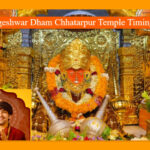
Four generations ago, according to the account preserved by the family that still serves as the temple’s trust today, the Padiyanoor family faced a quiet but genuine crisis: a lack of girl children threatened to bring their lineage to an end. The family’s patriarch turned to their own family deity, then enshrined in her original abode at Kariamkode, and made a specific, deeply personal vow — if she would resolve this threat to his family’s continuity, he would bring her to Poovachal and build her a proper temple, with regular poojas conducted in her honor going forward. His wish was fulfilled. True to his word, the patriarch brought the Devi to Poovachal — and what began as one family’s private devotional rescue gradually transformed into something considerably larger: the goddess became the divine guardian not just of the Padiyanoor family, but of the entire hamlet of Poovachal, worshipped today as Padiyanooramma, an incarnation of Goddess Chamundi, the fierce manifestation of the Divine Mother associated in classical Hindu scripture with the Devi Mahatmya section of the Markandeya Purana, where Chamundi emerges specifically to combat demons and restore cosmic order.
This origin story — private family crisis resolved, then offered outward to become a community’s protection — gives Padiyanoor Devi Temple its particular devotional character among Kerala’s many Chamundi/Bhadrakali shrines: a goddess whose very presence in this specific location exists because one father’s prayer for his daughters succeeded.
💡 Quick Answer Darshan timings: 5:00 AM – 12:00 PM and 4:00 PM – 8:00 PM daily (afternoon closure 12:00 PM – 4:00 PM) Entry: Completely free Online booking: Not yet confirmed as live — sources reference a future official website “to be published once live”; treat any third-party booking claim with caution Main festival: Makam Thozhal, 3 days in the Malayalam month of Meenam (March–April) Location: Poovachal, near Neyyattinkara/Kattakada, Thiruvananthapuram district, Kerala — approximately 30 km from Thiruvananthapuram city Last Verified: June 2026
Padiyanoor Devi Temple Timings 2026
| Session | Timing |
|---|---|
| Morning darshan | 5:00 AM – 12:00 PM |
| Afternoon closure | 12:00 PM – 4:00 PM |
| Evening darshan | 4:00 PM – 8:00 PM |
Pro tip: Early morning (5:00–8:00 AM) is consistently recommended as the most peaceful window, with the fewest crowds — well-suited to families and devotees seeking a quiet, contemplative visit. Evening darshan offers a different but equally valued atmosphere, as lamps are lit and the temple becomes visually and ritually most active for its evening observances. Weekdays are significantly less crowded than weekends and festival days.
A Note on Online Booking
This deserves honest treatment rather than a confidently stated process. At least one detailed source describing the booking procedure specifically notes a placeholder — “(link to be published once live)” — for the official website, indicating that as of this guide’s research, a fully functioning, independently verifiable official online booking portal may not yet be live. Other sources describe a general online booking process (selecting a service, entering personal details, completing payment) without confirming this against a specific, currently working URL.
What this means practically: Confirm the current, genuine status of any online booking system directly with the temple before relying on it. Given the temple’s modest scale and local-trust management, the most reliable approach for most devotees remains arriving in person during the published darshan hours, with any specific seva or pooja arranged directly with temple authorities on-site.
What Is Padiyanoor Devi Temple — Deity, Architecture, and Sub-Shrines
Padiyanooramma — A Form of Chamundi
The temple’s central deity, Padiyanooramma, is worshipped as an incarnation of Goddess Chamundi, herself considered a fierce aspect of Goddess Durga. Within Kerala’s broader Shakta devotional tradition, such forms of the goddess are specifically revered for protection and benevolence — devotees travel here believing Padiyanooramma shields them from life’s hurdles and grants wishes related to courage, prosperity, and general well-being.
A Complex of Sub-Shrines
Alongside the main Chamundi/Padiyanooramma sanctum, the temple complex accommodates several additional deities within the same broad shrine area: Yakshiymma, Lord Ganapathi, Thampuran, Yogeshwara, Nagar (serpent deities), and Brahmarakshas — a combination reflecting the layered, locally-specific devotional traditions common to many rural Kerala temples, where a central Devi shrine is accompanied by a constellation of related protective and ancestral spirits.
Traditional Kerala Architecture
The temple follows classical Kerala temple architectural style — a regional variant of the broader Dravidian tradition, specifically adapted to the area’s tropical climate and heavy monsoon rainfall through sloping roofs and horizontal lines. The complex is organized around a central Sri Kovil (garbhagriha), square in plan, surrounded by a system of concentric enclosures (prakarams) — the innermost antar-mandalam, the anta hara (a pillared corridor for circumambulation), the madhya hara, the bahya hara (housing subsidiary structures), and the outermost maryada boundary wall. The main entrance faces east, toward the rising sun, in keeping with standard Hindu temple convention.
Construction materials: Granite forms the sturdy adhisthana (base), specifically chosen for its resistance to moisture and termites in Kerala’s humid climate; laterite stone or brick, plastered with lime, forms the walls; and timber, often elaborately carved in regional craftsmanship style, forms the roof’s beams and rafters, typically covered in terracotta tiles or copper sheets.
Daily Ritual Practice (Nitya Nidanam)
The temple follows standard Kerala Hindu temple daily worship practices, performed by trained priests — Abhishekam (ceremonial bathing of the idol) and offerings of flowers, fruits, and milk-based items like pal payasam form the core of this daily devotional rhythm.
Festivals at Padiyanoor Devi Temple
Makam Thozhal: The temple’s principal annual festival, a 3-day celebration in the Malayalam month of Meenam (March–April), specifically honoring Chamundi Devi with grand devotional energy.
Karthika (Karthika Deepa): A festival of lights, observed with significant devotional fervor.
Mandala Vratham: Observed in connection with the broader annual Sabarimala Utsavam, reflecting the temple’s place within Kerala’s wider devotional calendar.
Pooja Vaypu: Equivalent in spirit to the Dussehra festival, involving Saraswathy Pooja and Vidyarambham (a child’s initiation into formal learning).
Ayilya Pooja: Offerings of milk, flowers, and other items to the serpent god, accompanied by special rites.
Aiswarya Pooja: Conducted specifically on every full moon (Pournami) day throughout the year.
Vishu Kani: Observed on the first day of the Malayalam month of Medam, when devotees specifically visit for Vishukani Darshanam — the traditional first sight of the new year, believed to set the tone for prosperity in the year ahead.
The Trap — What Catches Most Visitors
“Assumed a confirmed, currently functioning online booking system exists” → Cause: Some sources describe a general booking process without confirming it against a specific, currently live official URL → Fix: Confirm the genuine current status of online booking directly with the temple before relying on it — plan for an in-person visit during published hours as the more reliable default.
“Arrived during the 12:00 PM–4:00 PM closure” → Cause: Standard South Indian/Kerala temple afternoon break → Fix: Plan your visit for 5:00 AM–12:00 PM or 4:00 PM–8:00 PM specifically.
“Visited during Makam Thozhal without anticipating the festival crowd” → Cause: Underestimating the significance of this 3-day annual celebration for local devotees → Fix: Expect significantly higher footfall during the Meenam-month Makam Thozhal festival specifically.
“Wore casual or revealing clothing” → Cause: Underestimating the temple’s expectation of traditional, modest dress despite its relatively modest scale and rural setting → Fix: Wear modest, traditional attire — saree for women, dhoti/mundu for men — and remove footwear before entering the premises.
How to Reach Padiyanoor Devi Temple
Temple address: Poovachal, near Neyyattinkara/Kattakada, Thiruvananthapuram District, Kerala, India.
By road: Approximately 30 km from Thiruvananthapuram city. Kattakada Bus Station is the nearest major bus stop, with onward local transport to the temple.
By train: Thiruvananthapuram Central Railway Station is the nearest major rail hub, with onward road travel required.
By air: Thiruvananthapuram International Airport is the nearest air gateway, with taxis and local transport available for the journey to Poovachal.
Before You Visit Padiyanoor Devi Temple — Checklist
☑ Darshan timings confirmed — 5:00 AM–12:00 PM and 4:00 PM–8:00 PM, with a midday closure ☑ Online booking status verified directly with the temple, given the currently uncertain status of any official portal ☑ Modest, traditional dress prepared — saree for women, dhoti/mundu for men; footwear removed before entry ☑ October–March travel preferred for the most comfortable weather, coinciding with festival season ☑ Makam Thozhal (Meenam month, March–April) crowd levels anticipated if visiting during this period ☑ Weekday visit considered for a calmer, less crowded experience ☑ Early morning (5:00–8:00 AM) targeted for the most peaceful darshan
Frequently Asked Questions
What are Padiyanoor Devi Temple darshan timings in 2026?
The temple is open daily from 5:00 AM to 12:00 PM and 4:00 PM to 8:00 PM, with an afternoon closure from 12:00 PM to 4:00 PM.
What is the legend behind Padiyanoor Devi Temple?
According to the account preserved by the Padiyanoor family trust, four generations ago the family faced the threat of their lineage ending due to a lack of girl children. The family patriarch prayed to their family deity at her original abode in Kariamkode, vowing to bring her to Poovachal and build her a temple if his wish was granted. His wish was fulfilled, and the goddess subsequently became the protective deity not just of his family but of the entire village.
Who is Padiyanooramma?
Padiyanooramma is the presiding deity of the temple, worshipped as an incarnation of Goddess Chamundi, a fierce manifestation of the Divine Mother associated with combating demons and restoring cosmic order in the Devi Mahatmya section of the Markandeya Purana.
Is online booking available for Padiyanoor Devi Temple?
This is not consistently confirmed. At least one source notes the official website link is “to be published once live,” suggesting a fully functioning online booking system may not yet be confirmed as active. Confirm directly with the temple, and plan for an in-person visit during published hours as the more reliable default.
Is entry free at Padiyanoor Devi Temple?
Yes, general darshan is completely free for all devotees.
What is the main festival at Padiyanoor Devi Temple?
Makam Thozhal, a 3-day annual celebration held in the Malayalam month of Meenam (March–April), is the temple’s principal festival, honoring Chamundi Devi with significant devotional grandeur.
How far is Padiyanoor Devi Temple from Thiruvananthapuram?
Approximately 30 km, located in Poovachal near Neyyattinkara/Kattakada. The nearest airport, railway station, and bus station are all in or near Thiruvananthapuram city.
Contact and Help
Address: Poovachal, near Neyyattinkara/Kattakada, Thiruvananthapuram District, Kerala Managed by: A local trust formed by descendants of the Padiyanoor family
One Last Thing
A father worried about his daughters and the future of his own family line did the only thing he knew how to do in that moment: he asked his family’s own goddess for help, and made a specific promise in return. What he could not have known is that his private bargain — save my lineage, and I will build you a home — would, across four generations, quietly outgrow the single family that made it, until an entire hamlet came to understand the same goddess as their own protector too.
Padiyanooramma still receives the same daily Abhishekam, the same flowers and milk-based offerings, in the same modest Kerala-style sanctum her devotees built for her after that first prayer was answered. The temple does not advertise itself with the scale of Kerala’s larger, more famous shrines. What it offers instead is something quieter and, in its own way, more intimate: proof that a single family’s specific, urgent hope, once fulfilled, can become an entire community’s enduring devotion.
Jai Padiyanooramma. Jai Maa Chamundi.