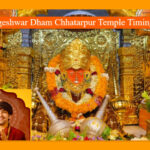
According to the legend that gives this temple its meaning, Goddess Parvati, moved by compassion at the sight of widespread hunger and suffering in the world, manifested in Kashi (Varanasi) and began personally distributing food to anyone in need. Lord Shiva, observing this, appeared before her not as her husband and consort but as an ordinary mendicant — carrying a simple begging bowl, joining the line of the hungry himself. Parvati, seeing him in this form, fed him directly with her own ladle.
From that moment, Goddess Parvati came to be worshipped specifically as Annapoorneshwari — “she who is full of food,” or more precisely, the goddess of complete and perfect nourishment, derived from “Anna” (food/rice grains) and “Poorna” (whole, complete). The act of a husband — even one as cosmically significant as Shiva — accepting food humbly, as a beggar, from his wife’s hand became the foundational image of an entire devotional tradition: that true abundance is found not in being served, but in feeding others without distinction.
Deep in Karnataka’s Western Ghats, on the banks of the Bhadra River, Sri Kshetra Horanadu carries this legend forward literally, every single day: every visitor, regardless of religion, caste, or background, is served a free three-course vegetarian meal — and devotees believe that anyone who receives this prasadam will never face hunger or scarcity again in their life.
💡 Quick Answer Darshan timings: 6:30 AM – 9:00 PM (with detailed pooja sessions throughout the day) Entry: Completely free; no entry fee for darshan Annadanam (free meals): Served three times daily — breakfast, lunch, dinner — to every visitor regardless of background Online booking: Available at srikshetrahoranadu.com for sevas, darshan, and room reservations Dress code: Strictly enforced — men in traditional attire (pants/shirt or dhoti/lungi); women in saree or decent traditional dress Location: Horanadu village, Chikkamagaluru district, Karnataka, on the banks of the Bhadra River Last Verified: June 2026
Horanadu Annapoorneshwari Temple Timings 2026
| Pooja/Activity | Timing |
|---|---|
| Temple opens | 6:30 AM |
| Morning pooja begins | 7:00 AM |
| Morning Mahamangalarati | 9:00 AM |
| Afternoon pooja | 11:00 AM – 1:30 PM |
| Afternoon Mahamangalarati | 1:30 PM |
| Afternoon Annadanam serving | 12:00 PM – 1:30 PM |
| Evening pooja | 7:00 PM – 9:00 PM |
| Evening Mahamangalarati | 9:00 PM |
| Temple closes | 9:00–9:30 PM |
Pro tip: Weekdays and early mornings offer the most peaceful darshan experience, with significantly shorter queues than weekends. October to March is the recommended season, both for favorable weather and the temple’s heightened festival energy during this period — avoid the monsoon season specifically due to heavy rainfall and travel difficulties on the approach roads through the Western Ghats.
Annadanam — The Temple’s Defining Tradition
Free meals are served to every single visitor, three times daily — breakfast, lunch, and dinner — with tea and coffee also offered free in the evening. This is provided irrespective of religion, caste, or creed, reflecting the temple’s core theological commitment: that Goddess Annapoorneshwari’s nourishment is available to all beings without exception, exactly as the founding legend describes.
The meal itself: A three-course vegetarian meal, including a dessert — described consistently as clean, simple, nutritious, and prepared with devotion.
Why this matters devotionally: Devotees specifically believe that receiving this Annadanam carries a lasting promise — that those who partake will never face food scarcity in their lives. This is not treated as a side facility but as the central devotional act the entire temple exists to perform.
Practical note: A small commercial complex of four to five shops near the temple sells additional food options and pooja materials, for visitors wanting something beyond the temple’s own meal service, or for those visiting outside the specific Annadanam serving windows.
How to Book Sevas, Darshan, and Rooms Online
Step 1: Visit the official temple portal: srikshetrahoranadu.com.
Step 2: First-time users register with their name, valid email address, and mobile number.
Step 3: Complete registration (typically just a few minutes) and log in.
Step 4: Navigate to the Booking section after successful login.
Step 5: Choose from available sevas, special poojas, darshan slots, or room/accommodation reservations.
Step 6: Complete payment and receive confirmation via SMS/email.
The online portal is available 24/7 for devotee convenience, covering both ritual bookings and temple guesthouse accommodation.
Offline alternative: All sevas can also be booked directly at the temple counters on arrival — useful for devotees who prefer in-person arrangement or did not plan ahead of their visit.
Seva and Pooja Price List
| Seva | Cost | Notes |
|---|---|---|
| Maharanga Pooja (Deepardhana) | ₹500 | |
| Panchamruth Abhishekam | ₹30 | Goddess bathed in milk, honey, curd, sugar, and ghee; not performed on Fridays |
| Kumkum Archana | ₹40 | Kumkum and turmeric offered; performed every Friday specifically |
| Annadana Seva (one day sponsorship) | Varies | Donating/sponsoring a day’s Annadanam meal service |
| Aksharabhyasam and Namakarna | Available on request | Child’s first-letter learning ritual and naming ceremony |
Regular morning, afternoon, and evening pooja are free to witness; charges apply only to specific special sevas as listed above.
Pro tip: If your visit falls on a Friday specifically, plan around the Kumkum Archana, performed exclusively on this day — note that Panchamruth Abhishekam is the one seva not performed on Fridays, so confirm which specific rituals are scheduled if you have a particular preference.
What Is Horanadu — History, Architecture, and Significance
Consecrated by Sage Agastya, Centuries Ago
According to temple tradition, the great deity of Adhishakthyathmaka Sri Annapoorneshwari’s Prathistapana (consecration) was performed by Sage Agastya Maharshi several centuries ago — connecting this Western Ghats shrine to one of Hindu tradition’s most significant sage-figures, frequently associated with founding or consecrating temples across South India.
A 400-Year Hereditary Priesthood
The hereditary Dharmakartharu family overseeing the temple began their stewardship approximately 400 years ago. Until the 5th generation of this lineage, the temple consisted of only a small structure surrounded entirely by natural forest vegetation — yet even then, devotees who visited were provided free food (Annaprasadam) and shelter, a practice that has continued unbroken to the present day.
The New Deity Consecrated in 1973
While the underlying devotional site is centuries old, the current golden idol of Goddess Annapoorneshwari was consecrated in 1973, with the installation of this new Adi Shakti image giving the temple its complete formal name: Adi-Shaktyatmaka Shri Annapoorneshwari.
A Curse Reversed Through Devotion
A separate strand of temple legend holds that Lord Shiva himself once carried a curse, and that this curse was specifically reversed when Shiva visited Goddess Annapoorna and sought her blessings — adding a further layer to the temple’s significance as a site associated with the resolution of affliction through devotion to the goddess of nourishment.
Architecture — Golden Idol, Carved Gopuram, Adi Sesha Surrounding the Sanctum
The temple follows traditional Karnataka architectural style, with a striking golden Gopuram embellished with sculptures of Hindu deities. The idol of Goddess Annapoorneshwari herself is coated in gold and rests atop a Peetha (pedestal). The main sanctum (Garbhagriha) is depicted as surrounded by Adi Sesha (the cosmic serpent), with the Padma Peeta (lotus pedestal) including representations of Koorma (the tortoise) and Ashtagaja (eight elephants) — a richly symbolic architectural program reflecting classical Hindu cosmology.
Dress Code — Strictly Enforced
Men/boys: Traditional attire only — pants and shirt, or dhoti/lungi. Devotees not following this dress code are specifically denied darshan.
Women/girls: Sarees or decent traditional dress are compulsory.
This dress code is consistently described across sources as strictly enforced, not a casual recommendation — plan your attire accordingly before traveling, as non-compliance will result in being turned away from darshan.
Festivals at Horanadu Annapoorneshwari Temple
Navaratri: Special poojas and elaborate alankaras (deity decorations) are performed daily throughout this nine-night festival, drawing a significant surge in pilgrim footfall from across Karnataka and neighboring states.
Annadaana Mahotsava: A festival specifically centered on and celebrating the temple’s core Annadanam tradition.
Deepavali and Ugadi: Both major Hindu festivals are celebrated with significant devotional grandeur at the temple.
Nearby Temples and Attractions
Sri Kalaseshwara Temple, Kalasa (8 km away): Dedicated to Lord Shiva, situated where the Bhadra River surrounds the land on three sides, giving it a distinctive pot-like shape. According to legend, Sage Agastya made Kalasa his home but wished to witness Shiva and Parvati’s wedding; Shiva granted him a boon enabling him to watch the ceremony from this very location.
Sringeri Sharada Peetham (approximately 70 km away): One of the four major mathas established by Adi Shankaracharya, commonly combined with a Horanadu visit for a fuller Western Ghats spiritual circuit.
The Trap — What Catches Most Visitors
“Arrived in casual Western clothing expecting darshan” → Cause: Underestimating how strictly the dress code is enforced → Fix: Men must wear traditional attire (pants/shirt or dhoti/lungi); women must wear sarees or decent traditional dress. Non-compliant visitors are denied darshan entirely — pack accordingly.
“Visited outside the specific Annadanam serving windows expecting a meal” → Cause: Assuming free food is available continuously throughout the day → Fix: Annadanam is served at specific times — breakfast, lunch (approximately 12:00–1:30 PM), and dinner. Plan your arrival around these windows if the meal service is part of your visit plan.
“Traveled during monsoon season without checking road conditions” → Cause: Underestimating Western Ghats monsoon travel difficulty → Fix: October to March is the recommended season. If traveling during monsoon, check current road conditions through the ghat region in advance.
“Expected Panchamruth Abhishekam on a Friday” → Cause: Unfamiliarity with the specific Friday exception → Fix: Panchamruth Abhishekam is not performed on Fridays; Kumkum Archana is specifically a Friday ritual instead. Confirm the current week’s specific seva schedule if a particular ritual matters to your visit.
How to Reach Horanadu Annapoorneshwari Temple
Temple address: Adhishakthyathmaka Sri Annapoorneshwari Temple, Horanadu, Chikkamagaluru District, Karnataka — 577181.
By road: Approximately 100 km southwest of Chikkamagaluru, well connected by public and private buses from Bengaluru, Mysore, Shimoga, and Mangalore. Private cabs are also a convenient option given the hilly terrain.
By train: Bantwala Railway Station — approximately 55 km. Kabakaputtur Railway Station — approximately 58 km.
By air: Bajpe Airport, Mangalore — approximately 66 km, the nearest airport. Mysore Airport — approximately 178 km, a more distant alternative.
Accommodation: Temple guesthouses and dormitories (simple, clean, budget-friendly, bookable online or on arrival), private hotels and resorts nearby (bookable via standard platforms), and homestays for a more local, authentic experience. Book well in advance during peak season and festivals.
Before You Visit Horanadu Annapoorneshwari Temple — Checklist
☑ Darshan timings confirmed — 6:30 AM–9:00 PM, with specific pooja sessions throughout the day ☑ Dress code prepared — traditional attire mandatory for both men and women, strictly enforced ☑ Annadanam timing noted if planning to partake in the free meal — breakfast, lunch (~12–1:30 PM), dinner ☑ Sevas, darshan, or room booking completed at srikshetrahoranadu.com if planning ahead, or counter booking planned on arrival ☑ October–March travel preferred; monsoon-season road conditions checked if traveling June–September ☑ Friday-specific Kumkum Archana or any-day-except-Friday Panchamruth Abhishekam noted if a specific ritual matters ☑ Accommodation booked in advance during peak season or festivals — temple guesthouse, hotel, or homestay ☑ Sri Kalaseshwara Temple (Kalasa, 8 km) or Sringeri Sharada Peetham (70 km) considered for a combined Western Ghats circuit
Frequently Asked Questions
What are Horanadu Annapoorneshwari Temple timings in 2026?
The temple is open for darshan from 6:30 AM to 9:00 PM, with structured pooja sessions throughout the day: morning pooja from 7:00 AM with Mahamangalarati at 9:00 AM, afternoon pooja from 11:00 AM to 1:30 PM, and evening pooja from 7:00 PM to 9:00 PM.
Is free food (Annadanam) really available to everyone at Horanadu?
Yes. Free three-course vegetarian meals are served to every visitor, regardless of religion, caste, or background, three times daily (breakfast, lunch, dinner), with free tea and coffee offered in the evening. This reflects the temple’s foundational legend and core devotional purpose.
How do I book sevas or rooms online at Horanadu Temple?
Visit srikshetrahoranadu.com, register with your name, email, and mobile number, log in, and navigate to the Booking section to select sevas, darshan slots, or accommodation. The portal is available 24/7. Offline booking at the temple counter is also available.
What is the dress code at Horanadu Annapoorneshwari Temple?
Strictly enforced: men and boys must wear traditional attire (pants and shirt, or dhoti/lungi); women and girls must wear sarees or decent traditional dress. Visitors not following this dress code are denied darshan.
What is the legend behind Goddess Annapoorneshwari?
According to legend, Goddess Parvati appeared in Kashi and began distributing food to the hungry out of compassion. Lord Shiva appeared before her as a humble mendicant with a begging bowl, and Parvati fed him directly with her own ladle — establishing her as Annapoorneshwari, the goddess of complete nourishment.
Who consecrated the deity at Horanadu Temple?
According to tradition, Sage Agastya Maharshi performed the original consecration (Prathistapana) several centuries ago. The current golden idol was consecrated in 1973, giving the temple its full name, Adi-Shaktyatmaka Shri Annapoorneshwari.
How far is Horanadu from Chikkamagaluru and Mangalore?
Approximately 100 km southwest of Chikkamagaluru. The nearest airport is Bajpe Airport, Mangalore, approximately 66 km away. The nearest railway stations are Bantwala (55 km) and Kabakaputtur (58 km).
Contact and Help
Official website: srikshetrahoranadu.com Address: Adhishakthyathmaka Sri Annapoorneshwari Temple, Horanadu, Chikkamagaluru District, Karnataka — 577181
Official Links
| Purpose | Link |
|---|---|
| Darshan, seva & room booking | srikshetrahoranadu.com |
One Last Thing
A goddess who fed the hungry out of pure compassion, and a god who accepted that food not as a husband but as one of the hungry himself — this is the founding image behind every single meal still served at Horanadu today, three times a day, to anyone who arrives, asking nothing about who they are or where they came from.
The hereditary family that has maintained this temple for 400 years has watched it grow from a small structure in dense forest into one of South India’s most visited Shakti shrines, but the core act has never changed across any of those generations: feed whoever is in front of you, without exception, the way Parvati once fed even Shiva when he came to her disguised as need itself.
The golden idol installed in 1973 sits atop its Peetha, surrounded by carved serpents and elephants, in a temple whose real measure of significance has very little to do with gold. It has to do with the meal still being served at noon today, exactly as it was the day before, exactly as it will be tomorrow.
Om Annapoorneshwari Namah. Jai Maa Parvati.