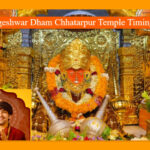
Sometime during the colonial era, British administrators in Ujjain decided to investigate one of the city’s most persistently reported phenomena: that liquor offered to the deity at Kal Bhairav Temple simply vanished, poured into a small saucer and tilted toward the idol’s mouth, gone within moments, with no visible spillage and no obvious mechanism explaining where it went. According to the accounts that have survived this investigation, officers examined the idol specifically looking for hidden passageways or drainage — and found none. The liquor disappeared anyway, exactly as devotees had insisted it always had, leaving the colonial inspectors with no rational explanation and the temple’s reputation for genuine mystery considerably enhanced.
This is the ritual that defines Kal Bhairav Temple in the popular imagination above almost everything else about it: devotees purchase liquor — whiskey, rum, or country liquor — from shops just outside, and a priest pours a portion into a shallow plate, tilts it toward a small slit at the idol’s mouth, and the liquid disappears. No mainstream Hindu temple anywhere else in India performs this specific offering as standard, daily practice. At Kal Bhairav, it has continued for generations, rooted in the temple’s deep historical association with Kapalika and Aghora Shaivite sects — tantric traditions for whom Ujjain was, for centuries, a significant center of practice.
Local tradition in Ujjain holds something equally direct about the temple’s importance within the city’s broader pilgrimage circuit: a visit to Mahakaleshwar Jyotirlinga is considered spiritually incomplete without first, or also, seeking Kal Bhairav’s blessing — the fierce protector deity whose permission, in effect, the city’s other sacred sites require.
💡 Quick Answer Darshan timings: 5:00/6:00 AM – 8:00/10:00 PM daily (sources show minor variation) Aarti timings: 7:00–8:00 AM and 6:00–7:00 PM Entry: Completely free — no ticket, no mandatory fee Online booking: Not required or generally available for regular darshan; special rituals may need direct, on-site coordination Signature ritual: Liquor offered directly to the deity, purchased from licensed shops just outside the temple Location: Bhairavgarh area, on the banks of the Shipra River, Ujjain, Madhya Pradesh Last Verified: June 2026
Kal Bhairav Temple Ujjain Timings 2026
| Activity | Timing |
|---|---|
| Temple opens | 5:00/6:00 AM (sources vary) |
| Morning Aarti | 7:00 AM – 8:00 AM |
| Evening Aarti | 6:00 PM – 7:00 PM |
| Temple closes | 8:00 PM (some sources cite 10:00 PM) |
| Liquor offering ritual | Conducted throughout the day, subject to priest availability and crowd levels |
Pro tip: Early morning, specifically 6:00–7:30 AM, is consistently recommended as the calmest and least crowded window for darshan — evenings draw notably larger crowds. Plan a visit to coincide with one of the two daily Aartis if witnessing this specific ritual matters to you.
Best season: October to March, for pleasant weather; summer (April–June) can make daytime visits genuinely difficult given Madhya Pradesh’s heat, while monsoon (July–September) brings cooler relief but occasional sudden crowd surges tied to local festivals.
The Liquor Offering — How It Works and What to Know
The process: Devotees purchase a bottle of liquor from one of several licensed shops located just outside the temple — these shops exist specifically for this purpose, selling whiskey, rum, or country liquor in sealed bottles. A priest receives the offering, pours a portion into a shallow plate or saucer, and brings it close to a small opening at the idol’s mouth. The liquid is then tilted toward this opening and, within moments, disappears entirely — the central, defining mystery of the entire ritual.
Government-authorized sourcing: To prevent adulteration and ensure offerings meet proper quality standards, government-authorized liquor counters operate near the temple specifically for this purpose — purchase your offering from these recognized sources rather than any unauthorized vendor.
What this ritual means theologically: The offering is understood within tantric tradition as a symbolic act — liquor representing ego, pride, and worldly attachment being surrendered to the deity, rather than simply an unusual indulgence. Multiple sources specifically note that despite the ritual’s unconventional nature, the overall temple atmosphere remains deeply devotional, disciplined, and respectful throughout.
If you prefer not to participate: This is entirely acceptable — flowers, sweets, and other conventional offerings are equally welcomed, and blessings are understood to be available to all visitors regardless of which specific offering they choose to bring.
Consumption rules: Devotees must handle and present liquor strictly according to temple guidelines; consumption of alcohol inside the temple premises is not permitted, and offerings should be made only through the temple’s own priests following established ritual procedure.
Booking and Practical Information
No standard online booking system exists for regular darshan at Kal Bhairav Temple, Ujjain — entry is free, walk-in, and does not require advance reservation under normal circumstances. Special rituals or arrangements during major festivals may require direct, on-site coordination with temple staff rather than any formal online process.
Pro tip: Be cautious of third-party websites claiming to offer official “e-pooja” or remote-participation services for this temple — verify the legitimacy of any such service independently before paying, given the absence of a single official online booking portal.
What Is Kal Bhairav — History and Significance
Built by King Bhadrasen, According to the Skanda Purana
According to the Avanti Khanda of the Skanda Purana, the original temple was built by an obscure king named Bhadrasen. Archaeological evidence supports the site’s genuine antiquity: images of Lord Shiva, Parvati, Lord Vishnu, and Ganesha belonging to the Paramara period (9th–13th century CE) have been recovered from the location.
Mahadaji Shinde’s Turban — A Maratha General’s Vow
According to local legend, following the Maratha defeat at the Third Battle of Panipat (1761 CE), the Maratha general Mahadaji Shinde offered his own pagri (turban) to Kal Bhairav, praying specifically for success in his subsequent campaign to restore Maratha power across North India. After he succeeded, Shinde returned and restored the temple to its former splendor — connecting the present-day structure’s Maratha-influenced architecture directly to this specific historical vow and its fulfillment.
The Royal Pagdi — A Crown From Gwalior
The idol is said to wear a crown that once belonged to the royal family of Gwalior — a further specific connection between this temple and the broader Maratha-Scindia political history of central India.
Leader of the Eight Bhairavas
Kal Bhairav is understood within broader Shaivite tradition as the leader of the Ashta Bhairava (the eight Bhairava forms) — a fierce manifestation of Lord Shiva specifically associated with protecting time itself and all who travel through it, and serving as the guardian deity (Kotwal) of the city in which he is enshrined.
Dogs as Sacred Vehicles
Kal Bhairav’s traditional vehicle (vahana) is the dog, and feeding stray dogs near the temple is considered a specifically auspicious, lucky act by visiting devotees — a distinctive devotional custom connected directly to the deity’s iconography.
Kal Bhairav Temple, Varanasi — A Related but Distinct Site
A second major Kal Bhairav temple, equally significant within its own city’s pilgrimage tradition, stands in Varanasi’s Vishweshwar-Ganj area. According to legend, this temple marks the site where the sin of Brahma-hatya (the killing of Lord Brahma) was finally absolved, and Kal Bhairav remains here specifically to protect, guide, and oversee spiritual activity throughout Kashi. In Varanasi tradition, visiting Kal Bhairav first is considered essential before entering the rest of the city’s sacred sites — a parallel, though distinct, version of the “seek his blessing first” principle also followed in Ujjain.
Varanasi’s daily Aarti schedule: Mangala Aarti (5:00 AM), Bhog Aarti (12:00 PM), Sandhya Aarti (7:00–8:00 PM), and Shayan Aarti (11:00 PM) — a more elaborate four-Aarti daily structure than Ujjain’s two.
Which temple to prioritize: Both hold equal spiritual significance within their respective traditions — Varanasi is considered essential for completing a full Kashi pilgrimage, while Ujjain’s Kal Bhairav specifically complements a Mahakaleshwar-focused visit. Choose based on which city anchors your broader itinerary.
Festivals at Kal Bhairav Temple
Kal Bhairav Ashtami: The temple’s most significant dedicated annual festival, celebrated with considerable enthusiasm and a substantial increase in pilgrim footfall.
Mahashivratri, Navratri, and Kumbh Mela (when applicable to Ujjain’s rotation): All draw significantly heavier crowds, with the spiritual atmosphere at its peak during these periods.
Tuesdays, Sundays, and Ashtami tithis generally: Recognized across sources as recurring, specifically busier days even outside major annual festivals.
The Trap — What Catches Most Visitors
“Brought liquor from an unauthorized local vendor” → Cause: Assuming any nearby shop selling liquor is acceptable for the offering → Fix: Purchase specifically from the government-authorized liquor counters operating near the temple, established precisely to prevent adulteration and ensure offering quality.
“Expected a VIP or fixed-tariff booking system” → Cause: Assuming a temple this well-known must have a formal premium-access category → Fix: No standard VIP ticket or fixed-tariff booking system exists for routine darshan as of 2026 — entry is free and walk-in for everyone.
“Tried to consume alcohol inside the temple premises” → Cause: Misunderstanding the nature of the liquor-offering ritual → Fix: Consumption of alcohol inside the temple is strictly not permitted — offerings are made only through temple priests according to established procedure, not for personal drinking on-site.
“Confused the Ujjain and Varanasi Kal Bhairav temples while researching online” → Cause: Both are major, similarly-named temples sharing the same core liquor-offering tradition and fierce-Bhairav identity → Fix: Confirm which specific city’s temple you are researching or planning to visit — Ujjain (Shipra River, Mahakal circuit) and Varanasi (Vishweshwar-Ganj, Kashi circuit) are related but entirely separate temples with their own specific histories and Aarti schedules.
“Visited only during peak midday hours expecting a calm experience” → Cause: Underestimating how crowd levels build through the day → Fix: Plan for early morning (6:00–7:30 AM) specifically for the calmest, least crowded darshan.
How to Reach Kal Bhairav Temple, Ujjain
Temple address: Bhairavgarh area, near the Shipra River, Ujjain, Madhya Pradesh.
By road: Easily accessible from central Ujjain by taxi, auto-rickshaw, or local transport.
By train: Ujjain Junction Railway Station — approximately 3–7 km, with onward auto or taxi access.
By air: Devi Ahilya Bai Holkar Airport, Indore — approximately 55 km, with taxis and buses connecting onward to Ujjain.
Nearby sites for a combined visit: Mahakaleshwar Jyotirlinga Temple, Ram Ghat (sacred Shipra River bathing and evening Aarti site), and Harsiddhi Temple (a Shakti Peeth with its distinctive deep stambhs/lamp towers) are all commonly combined with a Kal Bhairav visit in the same Ujjain pilgrimage circuit.
Before You Visit Kal Bhairav Temple — Checklist
☑ Darshan timings confirmed — approximately 5/6 AM–8/10 PM, with Aarti at 7–8 AM and 6–7 PM ☑ No online booking expected for regular darshan — free, walk-in entry ☑ Liquor offering purchased from a government-authorized counter specifically, if planning to participate ☑ Alternative offering (flowers, sweets) considered as an equally welcomed option if preferring not to offer liquor ☑ Early morning (6:00–7:30 AM) targeted for the calmest visit ☑ Modest, respectful dress worn ☑ Photography avoided inside the sanctum, per temple guidance ☑ Mahakaleshwar, Ram Ghat, and Harsiddhi Temple considered for a combined Ujjain circuit visit
Frequently Asked Questions
What are Kal Bhairav Temple Ujjain darshan timings in 2026?
The temple is generally open from approximately 5:00/6:00 AM to 8:00/10:00 PM daily (sources show minor variation), with Morning Aarti from 7:00–8:00 AM and Evening Aarti from 6:00–7:00 PM.
Why is liquor offered to Kal Bhairav?
Liquor is offered as a traditional tantric practice, rooted in the temple’s historical association with Kapalika and Aghora Shaivite sects. The offering is symbolically understood as the surrender of ego and pride to the deity. Devotees purchase liquor from licensed shops near the temple, and a priest presents it to the idol, where it is believed to be mystically accepted.
Is there an entry fee at Kal Bhairav Temple Ujjain?
No, general darshan is completely free, with no mandatory entry fee. Donations and special ritual charges are entirely optional.
Can I book Kal Bhairav Temple darshan online?
No standard online booking system exists for regular darshan as of 2026. Special rituals or festival-period arrangements may require direct, on-site coordination with the temple. Be cautious of third-party sites claiming to offer official online “e-pooja” services.
What happened when British officers investigated the liquor offering ritual?
According to historical accounts, British administrators inspected the idol specifically looking for hidden passageways or drainage that might explain how the offered liquor disappeared, but found none — contributing significantly to the temple’s enduring reputation for genuine mystery.
Is Kal Bhairav Temple Ujjain the same as the one in Varanasi?
No, these are two distinct, separately significant temples. Ujjain’s Kal Bhairav Temple sits on the Shipra River and complements a Mahakaleshwar pilgrimage; Varanasi’s Kal Bhairav Temple, in the Vishweshwar-Ganj area, is considered essential for completing a Kashi pilgrimage. Both share the core liquor-offering tradition but have distinct histories and Aarti schedules.
Do I have to offer liquor to receive blessings at Kal Bhairav Temple?
No. While the liquor offering is the temple’s most distinctive tradition, devotees who prefer not to participate can offer flowers, sweets, or other conventional items — blessings are understood to be available to all visitors regardless of their specific offering.
Contact and Help
Location: Bhairavgarh area, near the Shipra River, Ujjain, Madhya Pradesh Nearest railway station: Ujjain Junction — approximately 3–7 km Nearest airport: Devi Ahilya Bai Holkar Airport, Indore — approximately 55 km
One Last Thing
Officers trained to find rational explanations looked specifically for the mechanism — a hidden tube, a drain, anything that would reduce the ritual to ordinary plumbing — and found nothing. The liquor still disappeared, exactly as it had before their inspection and exactly as it has every day since, leaving behind only the same question that has drawn tantric practitioners, curious travelers, and ordinary devotees to this temple for centuries: where does it actually go?
Mahadaji Shinde once gave away his own turban here, asking for a kingdom’s restoration in return, and got it. Devotees today give away something smaller but symbolically larger — a bottle of liquor representing whatever ego or fear they are hoping to surrender — and receive, by their own account, the same fierce protector’s blessing that has watched over this stretch of the Shipra River since a king named Bhadrasen first built something here, long before anyone thought to ask how a stone mouth could drink.
Om Kal Bhairavaya Namah. Jai Kotwal of Ujjain.