According to the founding legend preserved at Thiruvairanikulam Mahadeva Temple, an elderly devotee — a Namboodiri Brahmin from Sreemoolanagaram, too frail by then to make his daily crossing of the Periyar River to worship at a Shiva temple in distant Iranikkulam — was helped across the water by Akavoor Chathan, one of the legendary twelve children of the Parayi Petta Pantheerukulam tradition, who built him a boat made, remarkably, of light granite. The two crossed together, prayed, and began their return home. On the way back, the old Brahmin noticed something strange: his umbrella had grown inexplicably heavier. When he checked, he discovered the stone itself appeared to be bleeding — and a nearby woman, seeing this, ran screaming through the area in terror. The land she covered in her panic was subsequently given over to temple authorities, becoming the site where Lord Mahadeva — having, in this telling, traveled from Airanikkulathappan within that stone — was newly enshrined. The place came to be called Thiruvairanikulam.
What makes this temple genuinely singular among Kerala’s many Shiva-Parvati shrines is a second, separate tradition layered atop this founding story: Goddess Parvati’s own sanctum opens to devotees for only twelve days each year, beginning on Thiruvathira nakshatra in the Malayalam month of Dhanu (mid-December to mid-January) — while Lord Shiva’s adjacent shrine remains open year-round, with no such restriction. According to the temple’s own preserved Sthala Purana, the Goddess herself once personally cooked food for Shiva in the temple’s sacred kitchen, specifically instructing that no one enter the premises during this period — and when this instruction was violated by visiting Brahmins, she withdrew, limiting her own visible presence ever since to this single annual window. The temple is, as a direct result of this tradition, popularly known across Kerala as “the Sabarimala of women” — the female devotional counterpart to Kerala’s most famous male-centered pilgrimage restriction, drawing thousands of women specifically seeking blessings for marital harmony during these twelve precious days.
💡 Quick Answer Regular darshan timings (Shiva shrine, year-round): 4:30 AM – 11:00 AM and 5:00 PM – 7:30 PM Nadathurappu Mahotsavam 2026 (Goddess Parvati’s 12-day opening): 2–13 January 2026, with extended hours 4:30 AM–1:30 PM and 4:30 PM–8:30 PM Entry: Completely free for all devotees Online booking: Virtual Queue system at thiruvairanikkulamtemple.org, primarily active during the Nadathurappu festival Unique feature: Shiva and Parvati face opposite directions (east and west) — a genuinely rare configuration Goddess’s idol material: Wood — anointed with turmeric powder, never water abhishekam Last Verified: June 2026
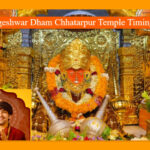
Thiruvairanikulam Temple Timings 2026
| Period | Morning | Evening |
|---|---|---|
| Regular days (Shiva shrine year-round) | 4:30 AM – 11:00 AM | 5:00 PM – 7:30 PM |
| Nadathurappu Mahotsavam (2–13 Jan 2026) | 4:30 AM – 1:30 PM | 4:30 PM – 8:30 PM |
| Pradosham / Maha Shivaratri (5 daily worship sessions) | Extended; confirm exact current schedule | Extended; confirm exact current schedule |
Pro tip: Early mornings and evenings are consistently recommended as the ideal darshan windows throughout the year — though if your specific goal is witnessing Goddess Parvati, your visit must fall specifically within the 12-day Nadathurappu window, since no exception exists outside this period.
Why the Goddess’s Sanctum Opens Only 12 Days a Year
This is the single most important practical fact about this temple, and worth understanding in full before planning a visit. The wooden idol of Goddess Parvati is never bathed with water — instead, she is anointed with turmeric powder, adorned in oriental silks and pattu (traditional Kerala silk), decorated with wedding thalis and special ornaments, and honored with continuous archanas throughout this specific 12-day period each year. The 2026 dates for this window are confirmed as 2–13 January, listed officially on Kerala Tourism’s festival calendar.
Why this specific limitation exists, according to the temple’s own devotional understanding: the restriction is not treated as an inconvenience but as a deliberate spiritual teaching. Divine presence, when available without any limit, risks being taken for granted; the twelve-day window is specifically designed to cultivate reverence, anticipation, and genuine, active longing rather than passive, constant access. The Goddess, in this understanding, is always present — but her manifest darshan requires a devotee’s own readiness and sincere preparation, made concrete through this specific calendar restriction.
Pro tip: If marital harmony or blessings related to a desired marriage are specifically your purpose for visiting, plan deliberately around this exact 12-day window — Swayamvara Parvati Archana, a special pooja specifically for those seeking a suitable marriage, is performed during this period.
The Virtual Queue System — Managing Massive Festival Crowds
Given the sheer scale of devotee interest during Nadathurappu, the temple has implemented a Virtual Queue booking system, specifically active during the 12-day festival period.
Scale of demand: During the 2026 festival, over 1 lakh (100,000) devotees used this virtual queue system within just the first few days — a clear indication of how significant this specific window has become for Kerala’s broader devotional calendar.
How to access it: Visit the official temple website, thiruvairanikkulamtemple.org, and follow the Virtual Queue booking section specifically during the festival period — this system is not operational year-round, given that it exists specifically to manage Nadathurappu’s exceptional crowd volume.
Outside the festival window: All darshan throughout the rest of the year operates on a standard walk-in basis, with no booking required.
Booking Special Sevas — Strict No-Cancellation Policy
Specific rituals — including Udayasthamaya Pooja, Homams, and special Abhishekams — must be pre-booked, either at the temple’s Vazhipad Counter or through direct communication with the Temple Trust.
A genuinely important policy to know in advance: the temple maintains a strict no-cancellation, no-refund policy for these bookings — confirm your specific dates and plans carefully before committing payment, given this firm rule.
Seva price list (illustrative; confirm current rates):
| Seva | Approximate Cost |
|---|---|
| Pushpanjali | ₹15 |
| Maha Mruthunjaya Homam | ₹6,500 |
| Udayasthamaya Pooja | ₹16,000 |
| Neyyabhishekam (1 kg) | ₹750 |
Dress Code
Men: Dhoti, with the upper body kept bare — shirts and T-shirts are not permitted inside the sanctum.
Women: Sarees, the traditional Kerala set-mundu, or salwar kameez (acceptable).
Footwear: Must be removed before entering the temple premises.
What Is Thiruvairanikulam — Architecture and the Untouchable Bull
Two Sanctums, Facing Opposite Directions
The temple’s most architecturally distinctive feature: Lord Shiva’s shrine faces east, while Goddess Parvati’s faces west — a genuinely rare configuration directly connected, in devotional interpretation, to the principle of Ardhanarishvara: that Shiva and Shakti, though appearing as two separate, even oppositely-oriented forms, are ultimately a single, unified divine reality.
Built on Land From a Terrified Woman’s Flight
As described in the founding legend, the temple’s physical footprint — approximately 40 cents within a broader 1.5-acre complex — corresponds to the exact area covered by the terrified woman’s panicked flight after witnessing the bleeding stone, donated to temple authorities as a direct result of that frightened response.
A Bull That Cannot Be Touched
A genuinely unusual rule at this temple: the celestial bull (Nandikeshwara) idol cannot be touched by ordinary devotees, or even by the Kazhaka (the temple’s grounds-keeping staff) — only Thantris or Brahmins specifically permitted to do so may touch it. If anyone else touches the bull, a cleansing ceremony must be performed as a direct result.
Wooden Vyali Carvings and Deva-Asura Battle Scenes
The Sreekovil (sanctum) walls feature carved wooden vyali (dragon) figurines positioned over elephant heads, while the ceiling of the Namaskara Mandapam displays exquisite carvings depicting episodes from the Deva-Asura battles, Devotsava celebrations, and the Navagrahas.
Sub-Shrines Within the Complex
Beyond the two main sanctums, the temple complex houses additional shrines dedicated to Nandi, Ayyappa, Ganapathy, Mahavishnu, and Goddess Durga — alongside the specifically positioned Lord Vigneshwara shrine adjacent to the main sanctum.
Kalady — The Birthplace of Adi Shankaracharya
The temple’s broader location near Kalady, in Ernakulam district, situates it within the same region recognized as the birthplace of Adi Shankaracharya, the philosopher-saint who articulated Advaita Vedanta — adding a further layer of regional spiritual significance to a visit here, independent of the temple’s own specific devotional traditions.
Festivals at Thiruvairanikulam Mahadeva Temple
Nadathurappu Mahotsavam (Thiruvathira, Dhanu month, December–January): The temple’s signature 12-day festival, during which the Goddess Parvati shrine opens — confirmed for 2–13 January 2026.
Annual Festival (Kumbham, February–March, 8 days): Includes the celebrated Makam Thozhal ceremony, observed specifically on the Makom day, considered especially auspicious among women devotees seeking a long, happy married life and a good husband — concluding with an Arattu (ceremonial bath of the idol) in the Periyar River.
Ashtami Rohini (Chingam, August–September): Marking Lord Krishna’s birthday.
Mandala Festival and Navaratri: Additional significant observances on the temple’s broader annual calendar.
Pradosham and Maha Shivaratri: On these special days, Lord Mahadeva is specifically worshipped five times daily, rather than the standard four.
The Trap — What Catches Most Visitors
“Traveled outside the 12-day window expecting to see Goddess Parvati” → Cause: Unfamiliarity with this temple’s specific, strictly limited annual darshan tradition → Fix: Plan your visit specifically within the confirmed 2–13 January 2026 Nadathurappu window if seeing the Goddess is your priority — at all other times, only Lord Shiva’s year-round shrine is accessible.
“Booked a special seva without understanding the no-cancellation policy” → Cause: Assuming standard refund flexibility applies as with many other temples → Fix: Confirm your specific dates and plans carefully before booking Udayasthamaya Pooja, Homams, or special Abhishekams, given the temple’s strict no-cancellation, no-refund rule.
“Touched the Nandi idol” → Cause: Unfamiliarity with this temple’s specific restriction → Fix: Only Thantris or Brahmins specifically permitted to do so may touch the bull idol — avoid touching it, given the cleansing ceremony required if this rule is violated.
“Assumed the Virtual Queue system operated year-round” → Cause: Confusing the festival-specific crowd-management tool with a permanent booking system → Fix: The Virtual Queue is primarily active during the Nadathurappu festival period specifically — outside this window, darshan operates on a standard walk-in basis.
How to Reach Thiruvairanikulam Mahadeva Temple
Temple address: Vellarappilly South, Sreemoolanagaram, Aluva, Ernakulam District, Kerala, India. Phone: 0484-2600182 / 2601182 Vazhipad Counter: +91-93834-80182
By road: Easily accessible from Kalady and Angamaly.
By air: Cochin International Airport — approximately 15 km, the nearest air gateway.
Parking: Designated parking grounds available at Souparnika and Kailasam.
Before You Visit Thiruvairanikulam Mahadeva Temple — Checklist
☑ Regular darshan timings confirmed — 4:30 AM–11:00 AM and 5:00 PM–7:30 PM (Shiva shrine, year-round) ☑ Nadathurappu Mahotsavam 2026 dates noted — 2–13 January, if specifically planning to see Goddess Parvati ☑ Virtual Queue booking checked at thiruvairanikkulamtemple.org if visiting during the festival period ☑ Special sevas booked in advance at the Vazhipad Counter, with the no-cancellation policy clearly understood ☑ Dress code prepared — dhoti (bare upper body) for men, saree/set-mundu/salwar kameez for women ☑ Nandi idol not touched, given the strict restriction on who may do so ☑ Kalady’s broader Adi Shankaracharya heritage sites considered for a combined regional visit ☑ Designated parking at Souparnika or Kailasam used if driving
Frequently Asked Questions
What are Thiruvairanikulam Mahadeva Temple darshan timings in 2026?
Lord Shiva’s shrine is open year-round from 4:30 AM to 11:00 AM and 5:00 PM to 7:30 PM. During the Nadathurappu Mahotsavam (2–13 January 2026), hours extend to 4:30 AM–1:30 PM and 4:30 PM–8:30 PM.
Why does Goddess Parvati’s shrine open only 12 days a year?
According to the temple’s Sthala Purana, the Goddess once personally cooked for Shiva in the temple’s sacred kitchen, instructing that no one enter during this period. When this was violated, she withdrew, limiting her visible presence to this annual 12-day window ever since — beginning on Thiruvathira nakshatra in the Malayalam month of Dhanu.
What is the legend behind Thiruvairanikulam Temple’s name?
An elderly devotee, unable to cross the Periyar River to worship at a distant Shiva temple, was helped by Akavoor Chathan, who built a boat from light granite. During their return journey, the stone began bleeding, and the land where a terrified witness fled was given to establish a new temple, named Thiruvairanikulam.
Is online booking available for Thiruvairanikulam Temple?
A Virtual Queue system is available at thiruvairanikkulamtemple.org, primarily active during the Nadathurappu festival period to manage crowds. Outside this window, darshan operates on a standard walk-in basis with no booking required.
Why is this temple called “the Sabarimala of women”?
Because Goddess Parvati’s sanctum opens only 12 days a year, drawing thousands of women devotees specifically seeking blessings for marital harmony — paralleling, for women, the restricted-access devotional pattern more widely known through Sabarimala’s male pilgrimage tradition.
Can I cancel a booked seva at Thiruvairanikulam Temple?
No. The temple maintains a strict no-cancellation and no-refund policy for booked sevas such as Udayasthamaya Pooja, Homams, and special Abhishekams — confirm your plans carefully before booking.
How far is Thiruvairanikulam Temple from Cochin International Airport?
Approximately 15 km, with the temple easily accessible by road from both Kalady and Angamaly.
Contact and Help
Official website: thiruvairanikkulamtemple.org Temple Trust: +91-484-2600182 / 2601182 Vazhipad Counter: +91-93834-80182 Email: thiruvairanikkulamtemple@gmail.com Address: Vellarappilly South, Sreemoolanagaram, Aluva, Ernakulam District, Kerala
Official Links
| Purpose | Link |
|---|---|
| Virtual Queue & temple information | thiruvairanikkulamtemple.org |
| Temple Trust phone | 0484-2600182 / 2601182 |
One Last Thing
A goddess once asked, simply, for twelve days of privacy to cook a meal for her husband — and when that single, modest request was ignored, she withdrew almost entirely, leaving behind only a narrow annual window through which anyone might still find her. Most temples ask devotees to come whenever they can. This one asks devotees to come specifically when she has decided to be found, treating that limitation not as withholding but as a kind of teaching: that presence freely available at every moment risks becoming presence no one actually notices.
A boat made of stone once carried an old man’s last act of devotion across a river, and an umbrella grew heavier on the way home for reasons no one fully explained, the way a goddess’s own twelve-day calendar resists full explanation too. Thousands of women now travel here every January specifically for those twelve days, dressed in silk and turmeric rather than water, asking for the same marital harmony the Goddess herself once modeled in that sacred kitchen — before anyone gave her a reason to stop cooking quite so openly.
Om Namah Shivaya. Jai Maa Parvati.